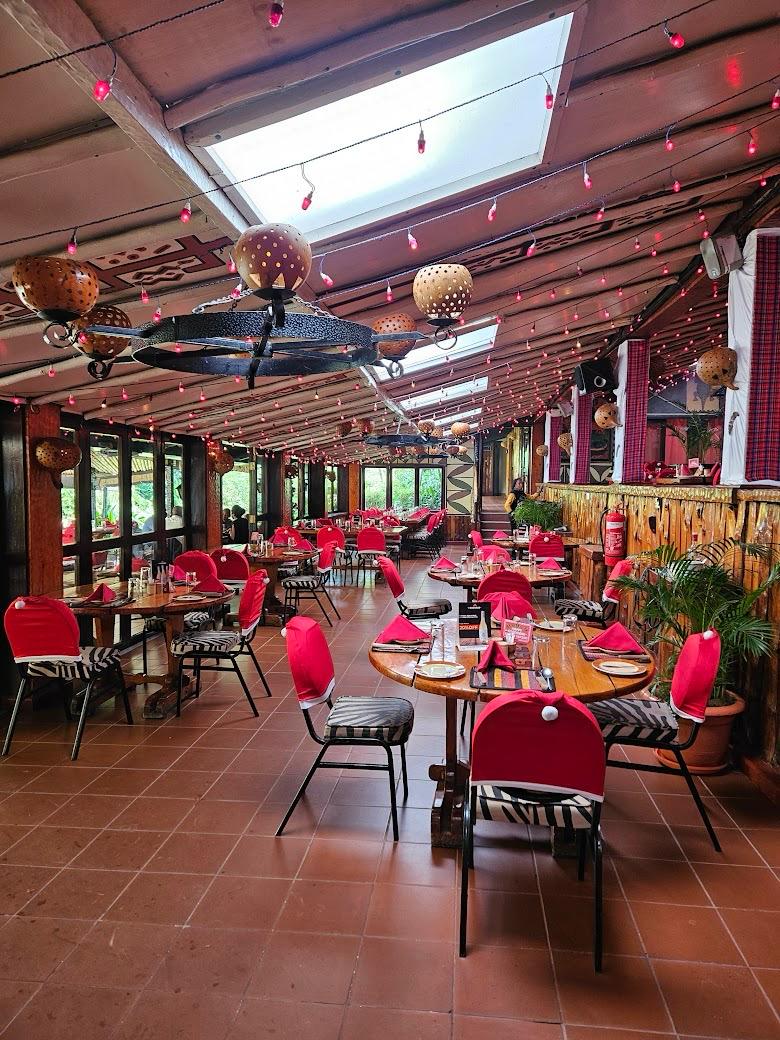
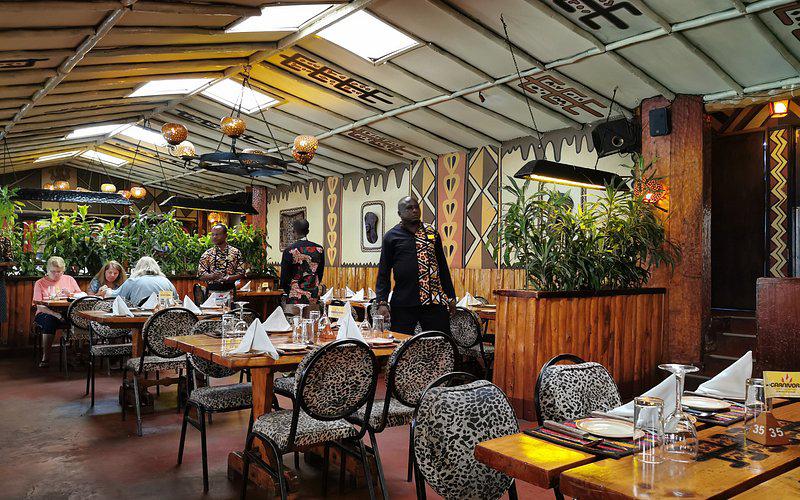
The Carnivore carries one of the largest review counts in Nairobi, and guests write about it as an event rather than a meal. Ostrich, crocodile, a table that keeps coming, and what non meat eaters report.

The Carnivore has more reviews than any other restaurant in this city by a considerable distance, more than twelve thousand of them behind a 4.5 rating. That volume changes what the reviews are for. Nobody is trying to tell you whether it is good. They are trying to explain what happens, because guests write about it as an event they attended rather than a meal they ate.
The clearest descriptions come from guests who clearly felt the need to spell it out. One walks through the whole structure, a fixed price spread that opens with an appetiser, moves through soup, and then arrives at the part everyone comes for, meats carved at the table and brought round by staff until you decide you are finished. Another describes it in Brazilian terms, with sauces and salad on your plate and a steady procession of different cuts offered against them.
The detail that recurs, and that matters most in practice, is that the staff recommend a specific dressing for each meat as it arrives. That turns a buffet into something closer to a guided tasting, and it is the reason guests who have never eaten crocodile before come away able to describe it. One reviewer reports the price they paid for the full spread, though as with any restaurant that is a snapshot from one visit rather than a current menu, so treat it as an indication rather than a quote.
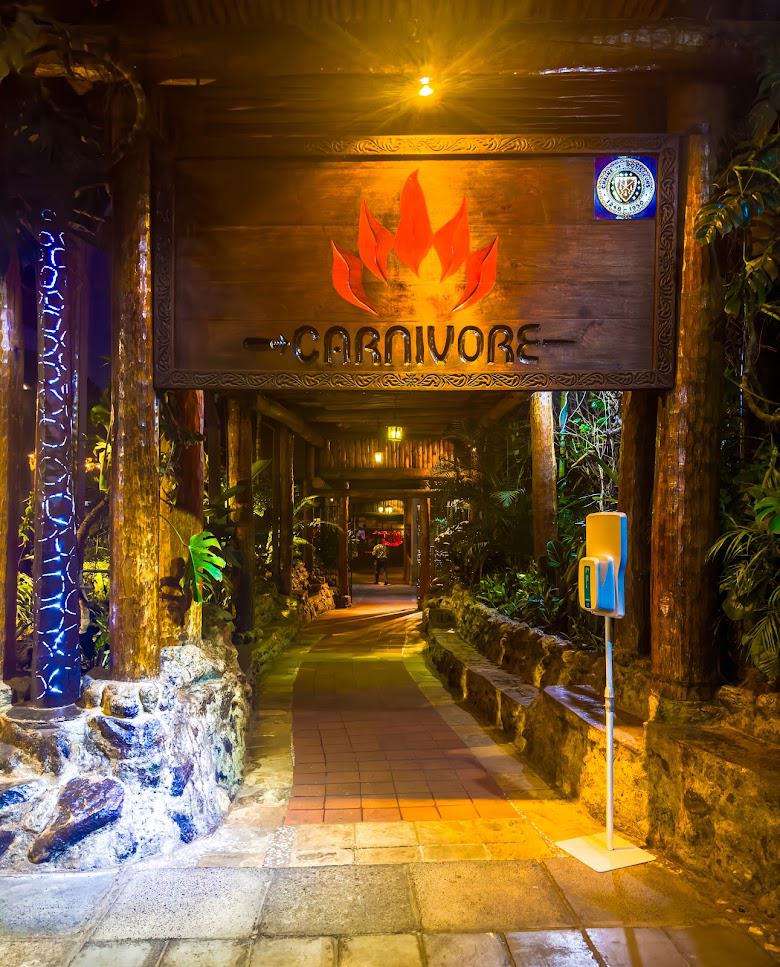
One more thing gets written about before any food arrives, which is the barbecue itself. A guest describes the aroma from the grilling area reaching them before they had ordered anything, and treats seeing it as part of the visit. It is worth knowing that the cooking is on display rather than hidden, because it explains why people describe the place as theatre.
This is where the reviews get specific. Ostrich comes up most often and draws the strongest praise, with one guest singling it out as the standout of everything they tried. Crocodile is the other name that recurs, and reviewers list it alongside more conventional cuts and a few genuinely unusual offal options as part of the exotic selection.
What is striking is the tone. Guests do not write about these as a dare or a novelty to be endured. They describe tasting them properly, comparing them and forming opinions, which suggests the kitchen is treating unusual meat as something to cook well rather than something to shock with. For a restaurant whose reputation could easily rest on the list of animals alone, that is the more meaningful compliment.
This is the most useful thing in the review set for anyone assembling a mixed table, and the answer is more reassuring than the name of the restaurant suggests. One guest states plainly that they are not a big meat eater, orders fish instead, and describes it as delicious and properly cooked. The same review notes that the cocktails worked well alongside the food.
That single account does a lot of work, because the usual objection to a place like this is that one person at the table will be stuck with side salad and a long evening. On the evidence here, the kitchen can send out a proper alternative rather than a concession. Nobody should book on the strength of one review alone, so it is worth confirming when you reserve, but it is a genuine data point rather than an assumption.
The service story that stands out is a small one. A guest arrived late, close to closing, and rather than being turned away they were accommodated graciously and went on to eat well. Most restaurants would have declined, and most guests would have accepted that. Instead the restaurant earned a warm review out of what was, procedurally, an inconvenience.
As for who goes, the reviews split roughly into two groups and both keep the place busy. Visitors treat it as a fixture of a Nairobi trip, something recommended to them before they arrived and duly recommended onward afterwards. Nairobi residents use it differently, as the room you take people to when they are in town, or when an occasion calls for something that will be remembered rather than merely enjoyed.
The practical advice from the reviews is simple. Come hungry, since the format punishes a light appetite. Let the staff talk you through the dressings rather than waving them past. Say yes to at least one meat you have not eaten before, because that is the part guests are still writing about years later. And if someone at your table does not want the meat spread at all, ask about the alternatives when you book rather than at the table.
Want the full details, menu, and booking? Visit The Carnivore Restaurant on Nairobi Feast.

Restaurant finds, city guides and stories from Nairobi's tables. No spam, unsubscribe anytime.